Automated Trading

Futuristic low-latency trading bots executing high-speed AI trades on US futures markets in 2026
Algo trading, Automated Trading

Low-Latency Trading Bots: 2026 Mastery Guide

In the hyper-competitive world of algorithmic trading, low-latency trading bots have become the ultimate edge. These high-speed systems execute orders in microseconds, turning fleeting market opportunities into consistent profits. Whether you’re scalping futures, arbitraging spreads, or deploying AI-driven strategies, mastering low-latency trading bots in 2026 is no longer optional—it’s essential for staying ahead. This comprehensive […]
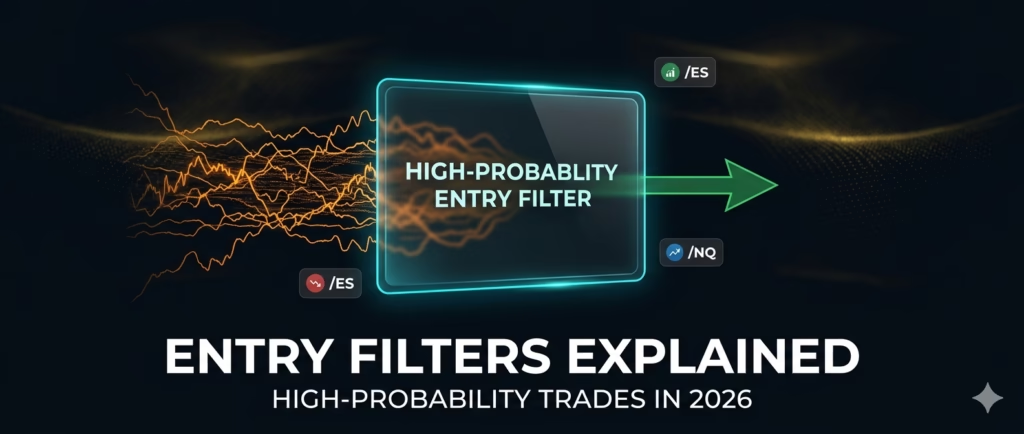
Entry Filters explained on US futures chart with RSI MACD volume trend indicators and PickMyTrade
Automated Trading

Entry Filters Explained: High-Probability Trades in 2026

In the fast-paced world of futures trading, most traders lose money not because their core strategy is flawed — but because they enter too many low-quality setups. Entry Filters solve this problem by acting as a rigorous quality-control system. They screen every potential trade and allow only high-probability setups to reach your execution stage. Whether

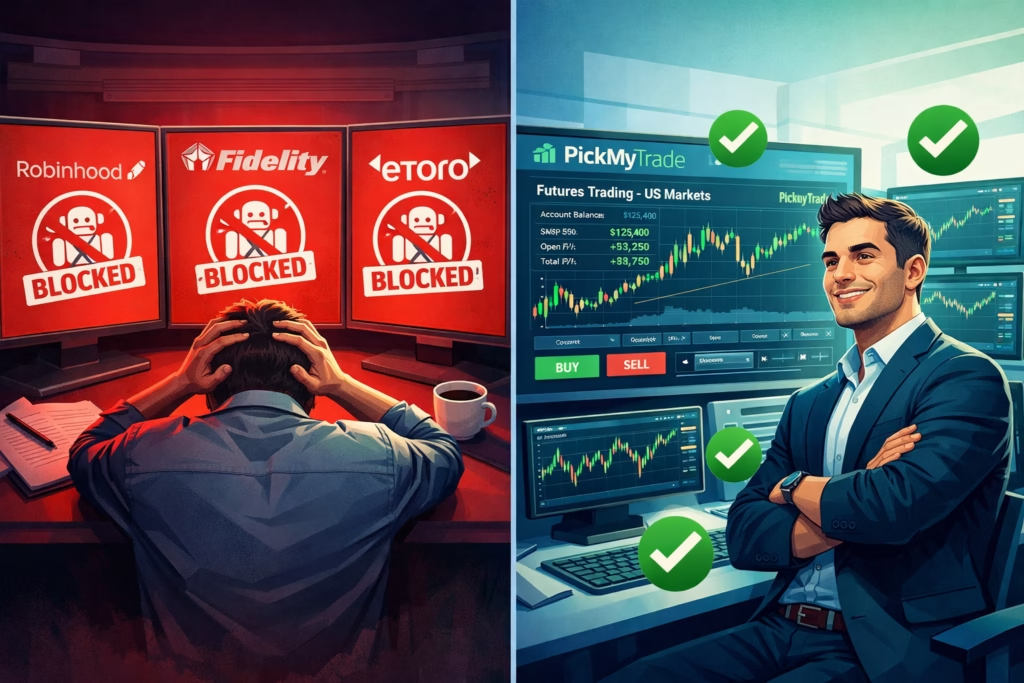
Brokers blocking bots versus PickMyTrade alternative for automated futures trading in 2026
Automated Trading, Futures, Trading

5 Brokers Blocking Bots in 2026 (Smart Alternatives)

Automated trading has exploded in popularity, yet many traders still hit a wall: brokers blocking bots. If you’ve built a solid TradingView strategy only to discover your broker won’t execute it automatically, you’re not alone. In this updated 2026 guide, we break down the 5 brokers blocking bots most aggressively, explain exactly why they do

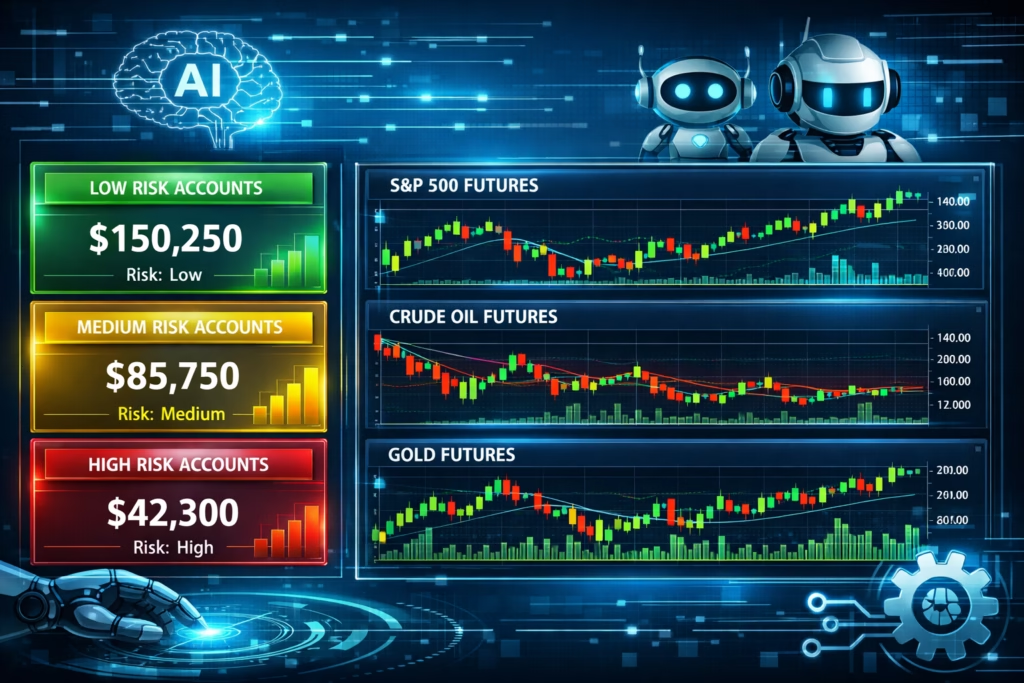
Illustration of account segmentation dashboard for risk management in futures trading with automated tools.
Automated Trading

Account Segmentation: Ultimate Risk Management Guide

Account segmentation is a powerful strategy in risk management, especially in financial services, trading, and brokerage environments. It involves dividing accounts (customer, client, or trading accounts) into distinct groups based on risk profiles, behaviors, transaction patterns, and other factors. This enables tailored risk mitigation, resource allocation, and compliance. In banking and AML contexts, account segmentation

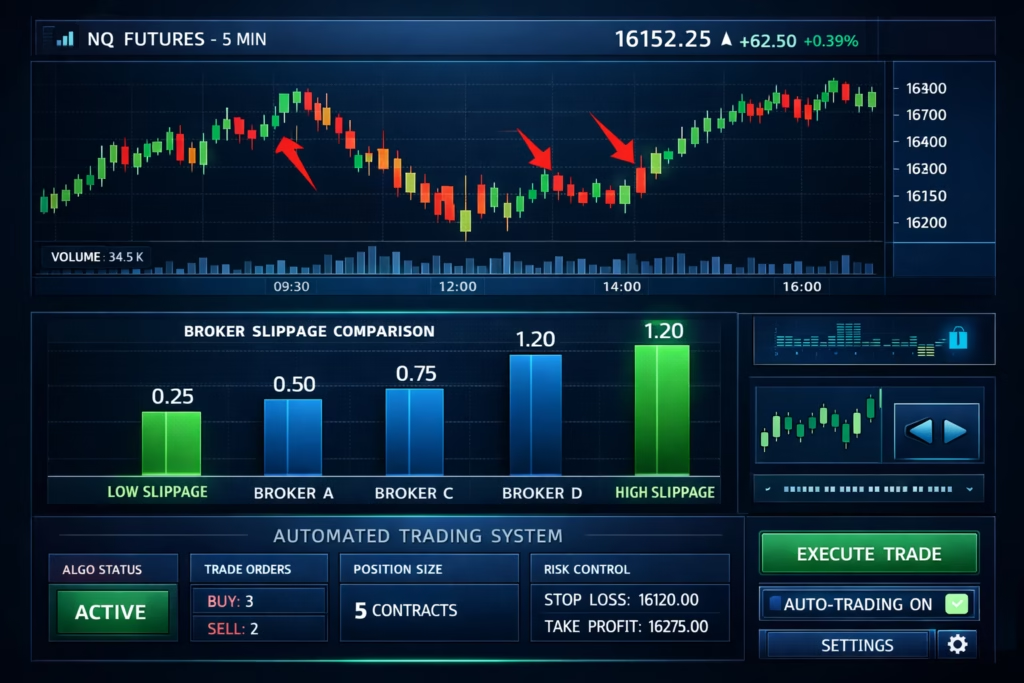
Real slippage data visualization from 1000 live futures trades across top US brokers in 2026
Automated Trading, Trading

Real Slippage Data: 1000 Trades Insights 2026

In the fast-paced world of futures trading, real slippage data reveals the hidden costs that can erode profits. Slippage—the difference between your expected trade price and the actual fill—stems from volatility, liquidity gaps, and execution delays. As markets evolve with tighter regulations and advanced tech in 2026, understanding real slippage data is essential for traders

Infographic showing hidden costs of trading automation including slippage, fees, and infrastructure in 2026.
Automated Trading

Costs of Trading Automation: Hidden Fees Exposed

The Costs of Trading Automation can erode profits if overlooked. While automation promises efficiency and emotion-free trading, hidden expenses often surprise traders. In 2026, with AI-driven platforms advancing rapidly and tools like PickMyTrade enabling seamless futures automation on US markets, understanding these costs is essential for sustainable success. Introduction to the Costs of Trading Automation

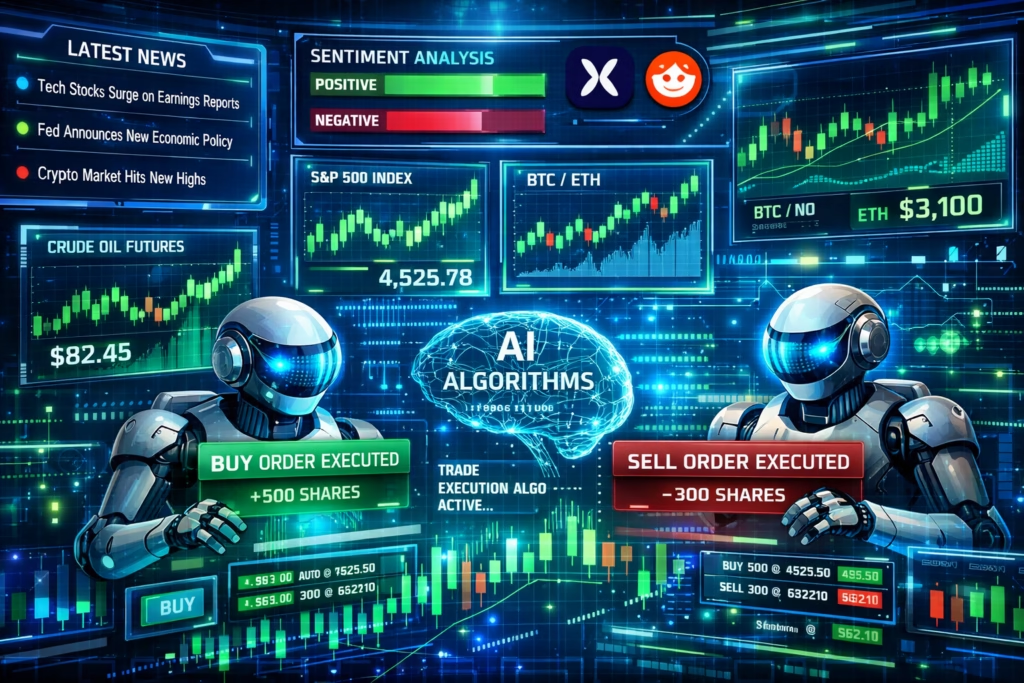
News sentiment futures trading dashboard with AI analysis, social media signals, and automated execution on US markets in 2026
Automated Trading, Trading

News Sentiment Futures: Unlocking Alpha in 2026

In the fast-evolving world of futures trading, traditional price charts and technical indicators are no longer enough. Traders are turning to news sentiment futures analysis as a powerful edge. By quantifying the tone of news articles—positive, negative, or neutral—investors can anticipate market moves before they fully appear in price action. As of early 2026, news

Event-Based Trading chart with price surge on market catalyst versus time-based indicators
Algo trading, Automated Trading

Event-Based Trading: Triggers vs Time-Based Strategies

In the fast-evolving world of financial markets, traders constantly seek edges to outperform. Two core approaches dominate trigger mechanisms: time-based trading and Event-Based Trading. While time-based methods rely on fixed intervals or clock-driven signals, Event-Based Trading capitalizes on specific catalysts like earnings reports, mergers, economic data releases, or geopolitical developments to drive price action. As

Powerful trading bot hardware setup for running 10+ automated bots in 2026
Automated Trading

Best Trading Bot Hardware for 10+ Bots in 2026

Running 10+ trading bots simultaneously requires robust trading bot hardware to ensure low-latency execution, stable multitasking, and zero crashes during volatile sessions. In 2026, with AI-enhanced strategies and real-time data from multiple exchanges, hardware bottlenecks can directly impact profitability. Whether you’re automating crypto, stocks, or US futures markets, prioritize multi-core CPUs, generous RAM, and fast

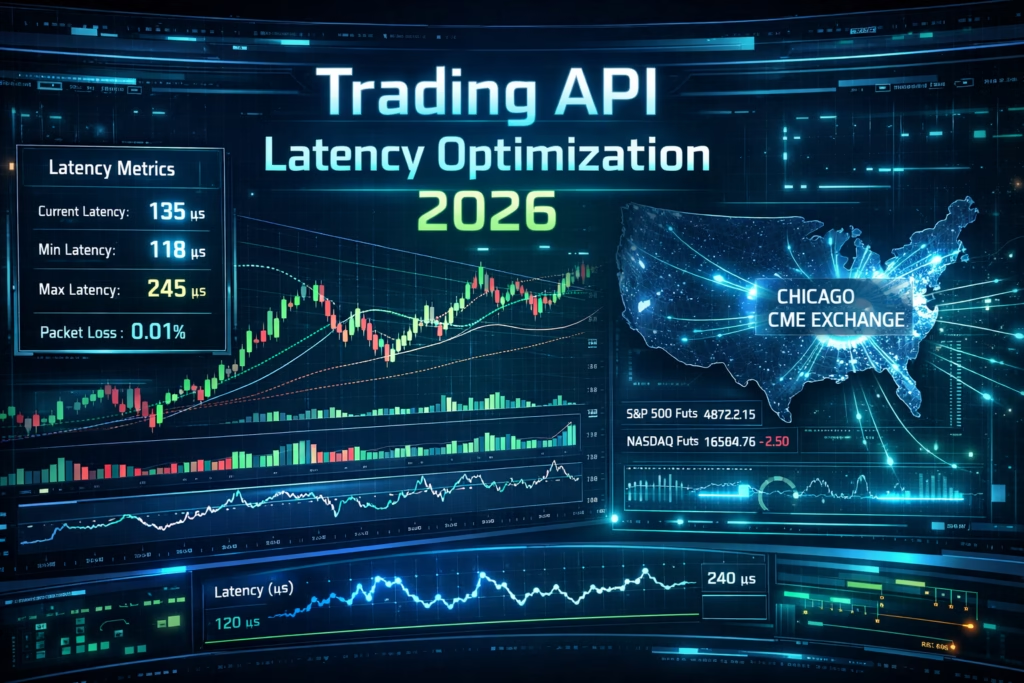
Illustration of optimized Trading API Latency dashboard for 2026 futures trading with low-latency connections.
Algo trading, Automated Trading

Trading API Latency: Ultimate Optimization Guide for 2026

In the fast-paced world of algorithmic and automated trading, Trading API Latency remains the defining factor between profit and loss. Even milliseconds can determine whether an order executes at the desired price or slips into unfavorable territory. As markets evolve with AI-driven strategies and real-time data demands, optimizing Trading Latency has become essential for retail

Scroll to Top