
An algorithmic trader reading news sentiment reacts 3 to 8 seconds before the median human trader, and captures 0.3% to 0.5% of the initial price move before you’ve finished the headline. That gap is not a rounding error. In liquid markets, it’s the whole trade.
AI sentiment analysis for trading uses natural language processing to score news, filings, and social posts as bullish, bearish, or neutral, then feeds that score into a trading decision faster than any human can read the same sentence. This guide breaks down how the models actually work, how accurate they really are, and where they fail in ways that vendor pages don’t mention.
Key Takeaways
- Algorithmic sentiment traders react to news 3-8 seconds before the median human trader, capturing 0.3%-0.5% of the initial move.
- A hybrid FinBERT, GPT-4, and logistic-regression model reached 68.5% directional accuracy in a recent study.
- Over 70% of global hedge funds now run machine-learning models somewhere in their pipeline, and about 18% lean on AI for more than half of signal generation.
- A fake AI-generated image briefly knocked the S&P 500 down 0.3% in 2023, proving sentiment engines read fabricated news just as fast as real news.

What Is AI Sentiment Analysis for Trading?
AI sentiment analysis for trading is the use of natural language processing models to read financial text and assign it a directional score, then route that score into a trading signal. Models like FinBERT classify a headline as positive, negative, or neutral in a fraction of a second, at a scale no analyst desk can match.
The idea isn’t new. Traders have watched news wires for a century. However, what changed is the reading speed and the coverage: a model trained on financial language can score every 10-K filing, earnings call transcript, and tweet mentioning a ticker, all in parallel, all day. No human reads that volume.
FinBERT, built by further training a general language model on financial text, significantly outperforms general-purpose models at classifying financial sentiment. Newer pipelines therefore pair FinBERT’s domain-specific scoring with larger language models like GPT-4 for context the smaller model misses, such as sarcasm or hedged language in an earnings call.
That combination matters because financial language is deliberately vague. For example, “headwinds moderated” and “growth decelerated less than feared” describe similar numbers with opposite emotional framing. A model tuned on general English text misreads both. A model tuned on 10-Ks and earnings transcripts catches the difference.
For how this fits with pattern-based signals, see our guide to AI chart pattern recognition.
How Does AI Actually Read News Faster Than You?
AI reads news faster than you because it skips the steps your brain can’t skip: recognizing the headline, understanding the sentence, and deciding what it means for a specific ticker. A trained model does all three in milliseconds, in parallel, across thousands of symbols at once.

The fastest electronic traders need only a few milliseconds to act around scheduled macroeconomic releases, and some institutional setups using FPGA hardware achieve single-digit microsecond latency from wire to trade. Compare that to a human trader, who first has to see the alert, read it, and click.
Here’s the part most explainers skip: speed advantage and accuracy are separate problems. A model can be first to react and still be wrong. The 3-to-8-second head start only pays off when the sentiment read was correct in the first place. In other words, reacting fast to a bad signal just loses money faster than a human would.
How Accurate Is AI at Predicting Market Moves from Sentiment?
Reported accuracy for AI sentiment models ranges from roughly 68% to 97%, and the number depends entirely on what’s being measured. A directional accuracy figure (did the price move up or down, not by how much), a mood-shift detection rate, and a multi-day predictive score are three different metrics that vendor marketing often blurs together.
A recent study combining FinBERT, GPT-4, and logistic regression, a straightforward statistical model, reached 68.5% directional accuracy and cut prediction error by 22% versus traditional approaches. Separately, systems pairing volatility measures with NLP report up to 97% accuracy detecting mood shifts across equities, crypto, and macro assets, while social-media-only sentiment has shown around 87% accuracy predicting direction up to six days out.
| Approach | What It Measures | Reported Accuracy |
|---|---|---|
| FinBERT + GPT-4 hybrid model | Directional accuracy (up or down, not magnitude) | 68.5% |
| Social-media-only sentiment | Six-day-ahead price direction | 87% |
| Volatility + NLP combined | Mood-shift detection across asset classes | 97% |
The gap between 68.5% and 97% isn’t a contradiction. In practice, detecting that mood shifted is easier than predicting the exact price direction, which is easier still than predicting a specific magnitude. Read every accuracy claim by asking which of those three questions the model was actually answering.
Here’s the number that matters more than any accuracy claim: hedge funds running these models report roughly 3% annual excess returns over traditional methods, strengthening around earnings releases and macro announcements. That’s a real edge, not a moonshot, and it erodes fast if your execution is slow.
What Happens When AI Reads Fake News?
AI sentiment engines don’t verify facts, they score language, and that means they read a convincing fake exactly as fast as they read the truth. On May 22, 2023, a fabricated AI-generated image of an explosion near the Pentagon circulated on verified-looking accounts and briefly sent the S&P 500 down about 0.3% to a session low, with the Dow dropping roughly 80 points.
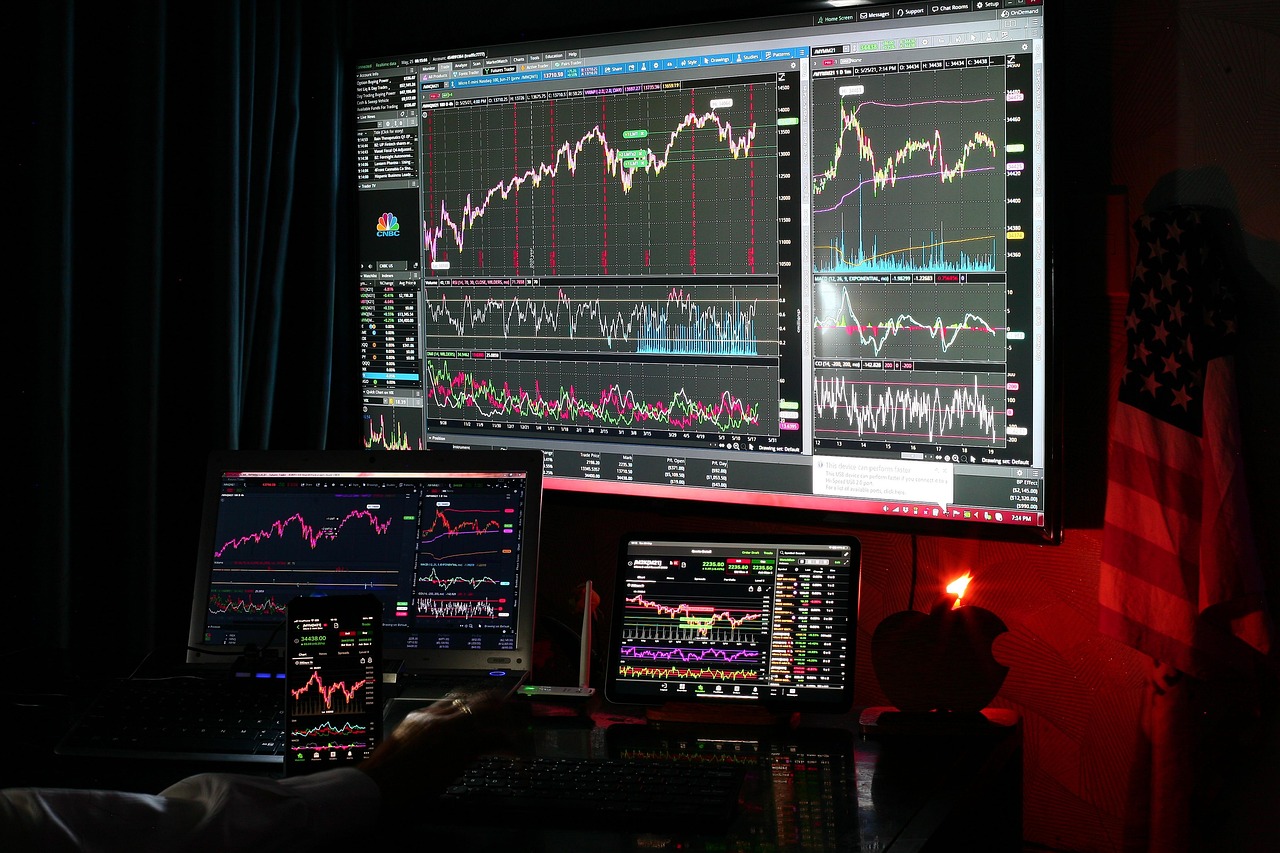
The index recovered within minutes once the image was debunked, but the move was real while it lasted. That single incident, widely cited as the first market move plausibly triggered by an AI-generated image, is the clearest evidence that sentiment models react to what’s published, not what’s true.
As a result, the lesson for anyone running a sentiment-driven strategy is source weighting. A model that treats an unverified social post the same as a confirmed newswire headline will get whipsawed by the next viral fake. Production systems increasingly score source credibility alongside text sentiment for exactly this reason.
How Widely Is AI Sentiment Analysis Used in Markets Today?
AI sentiment analysis has moved from a niche quant tool to a mainstream input across trading desks, with NLP now used by 52% of algorithmic traders and social sentiment analysis specifically used by 47% of modern trading algorithms. That’s a majority of the algo-trading world reading language as a signal, not just price and volume.
Meanwhile, at the fund level, over 70% of global hedge funds now use machine-learning models somewhere in their trading pipeline, and about 18% rely on AI for more than half of their signal generation. The sentiment-analytics market itself is projected to surpass $3 billion in 2025, growing at roughly 18.5% annually as more of that adoption becomes production infrastructure rather than a research project.
Working with automated strategies day to day, the shift I’ve noticed isn’t that sentiment models got smarter overnight. It’s that the infrastructure to act on a sentiment score in real time finally caught up. Five years ago, scoring a headline in 50 milliseconds meant nothing if your order still took three seconds to route. Now the whole chain, score to order, can run inside a single second.
How Do You Put AI Sentiment Signals to Work on Real Accounts?
You turn an AI sentiment score into a trade by connecting the model’s output to a broker or prop-firm account through an automated execution path, the same way you’d automate any other signal. The model scores the news, an alert fires, and an execution bridge places the order before you’d have finished reading the headline yourself.
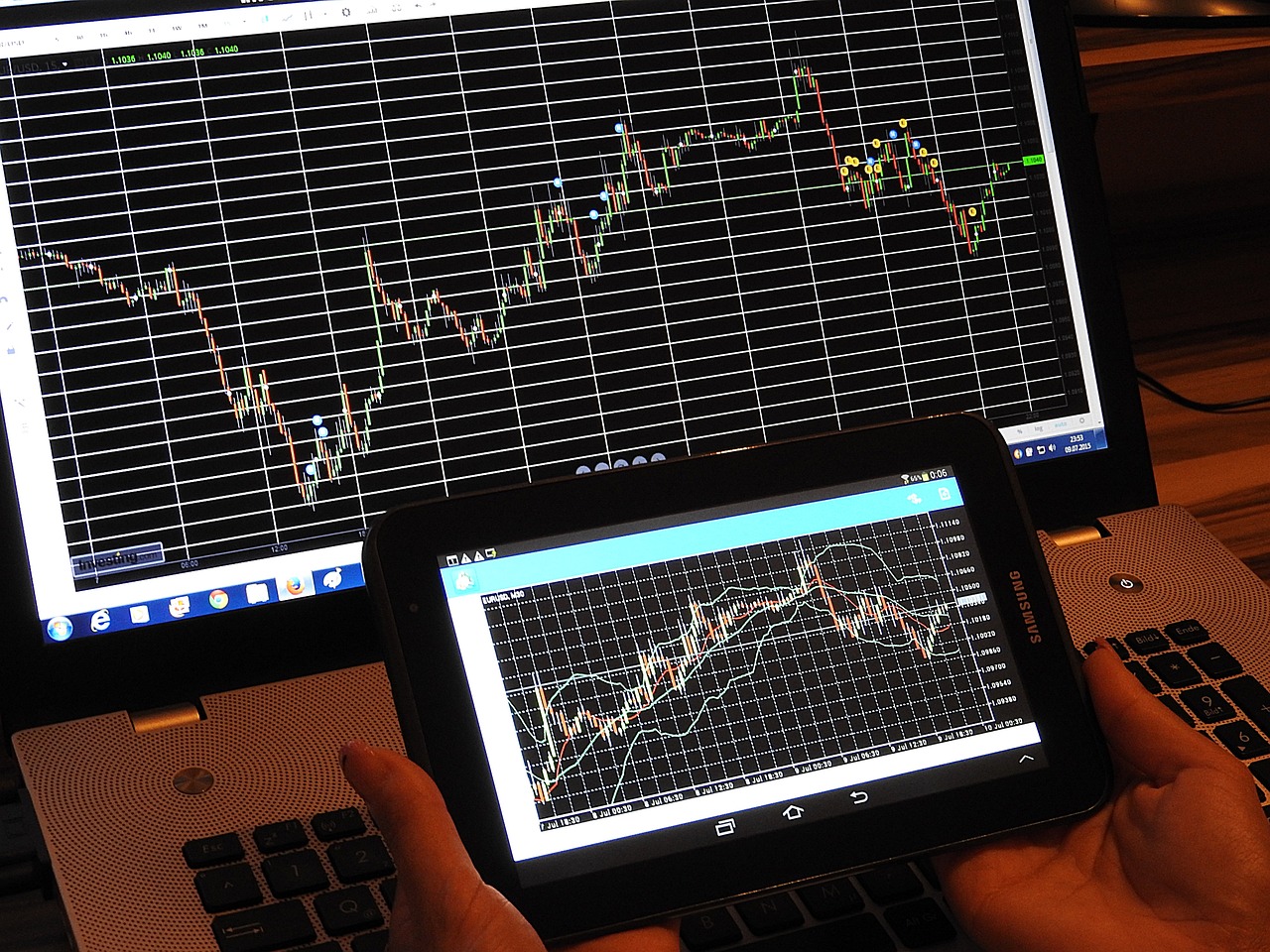
The practical chain looks like this:
- Score. A FinBERT-style model or LLM reads incoming news and assigns a sentiment value per ticker.
- Threshold. Your strategy defines what score triggers a trade, and how it weighs source credibility.
- Alert. A TradingView strategy built around that threshold fires a JSON webhook.
- Bridge. A service like PickMyTrade forwards that webhook to your broker or prop firm, often in under 200 milliseconds.
Fortunately, most retail traders won’t need to train their own FinBERT model. Public sentiment feeds and Pine Script-compatible indicators can already surface a sentiment score inside TradingView, where it becomes just another condition in your alert logic. Ready to connect a sentiment-triggered alert to a live account? Start automating your TradingView alerts with PickMyTrade and route the signal to your broker or prop firm in milliseconds.
For the setup mechanics, see our TradingView webhook automation guide.
Prop-firm traders have the most to gain and the least room for error. Funded accounts on Apex, Topstep, and Tradeify enforce drawdown limits that punish a slow reaction to a bad sentiment read just as harshly as a slow reaction to a good one. Test any sentiment strategy on a demo feed before it touches a funded account. For a deeper walkthrough, read our complete trading automation guide.
Frequently Asked Questions
Accuracy varies by what’s measured, from 68.5% directional accuracy in a recent FinBERT and GPT-4 hybrid study to 97% mood-shift detection when volatility data is combined with NLP. No single number applies universally; always check what metric a claim is reporting before trusting it.
Algorithmic sentiment traders react roughly 3 to 8 seconds before the median human trader, capturing 0.3% to 0.5% of the initial price move in liquid markets. The fastest institutional systems, using FPGA hardware, execute in single-digit microseconds around scheduled news releases.
Yes. In May 2023, a fabricated AI-generated image of a Pentagon explosion briefly pushed the S&P 500 down about 0.3% before the hoax was debunked. Sentiment models score published language and images, not verified truth, so source credibility weighting matters as much as the sentiment score itself.
NLP is used by 52% of algorithmic traders, and social sentiment analysis specifically is used by 47% of modern trading algorithms. At the fund level, over 70% of global hedge funds run machine-learning models somewhere in their trading pipeline.
You route the sentiment score into a TradingView alert condition, which fires a webhook when your threshold is met. A no-code bridge like PickMyTrade forwards that webhook to your broker or prop firm, often executing the order in under 200 milliseconds.
Conclusion
AI sentiment analysis has genuinely closed the reading gap. Models score financial language in milliseconds, at a scale and speed no analyst desk can match, and that 3-to-8-second head start over human traders is measurable and real.
Nevertheless, what hasn’t changed is the responsibility that comes with speed. A 68.5% directional accuracy figure means the model is wrong roughly one time in three. A fake image can move the S&P 500 as easily as a real one. Speed without a credible signal just loses money faster.
The takeaway: use AI sentiment scoring to shorten your reaction time, not to replace your judgment about which sources deserve trust. Once a sentiment strategy proves itself on realistic testing, automate the boring part, getting the order to your broker before the move is over.
Ready to act on sentiment signals automatically? Connect your TradingView alerts to live and prop-firm accounts with PickMyTrade.
Disclaimer:
This content is for informational purposes only and does not constitute financial, investment, or trading advice. Trading and investing in financial markets involve risk, and it is possible to lose some or all of your capital. Always perform your own research and consult with a licensed financial advisor before making any trading decisions. The mention of any proprietary trading firms, brokers, does not constitute an endorsement or partnership. Ensure you understand all terms, conditions, and compliance requirements of the firms and platforms you use.
Also Checkout: Perplexity AI Trading Strategy: Find High-Probability Setups Faster
Connect your alerts with PickMyTrade — automated trade execution, no coding required. Start free →