PickMyTrade Blog: Automate TradingView Strategies Alerts & Broker Integrations

Futures scalping chart illustrating how to optimize trading costs with round-trip and per-contract commissions in 2026.
Trading

Optimize Trading Costs: Round Trips vs Per-Contract for Scalpers

In the fast-paced world of futures scalping, where traders aim to capture small price movements through dozens—or even hundreds—of trades daily, To optimize trading costs is not optional—it’s essential for long-term profitability. Every tick counts, and commissions, exchange fees, NFA charges, and slippage can erode slim margins quickly. As of 2026, with micro futures (like

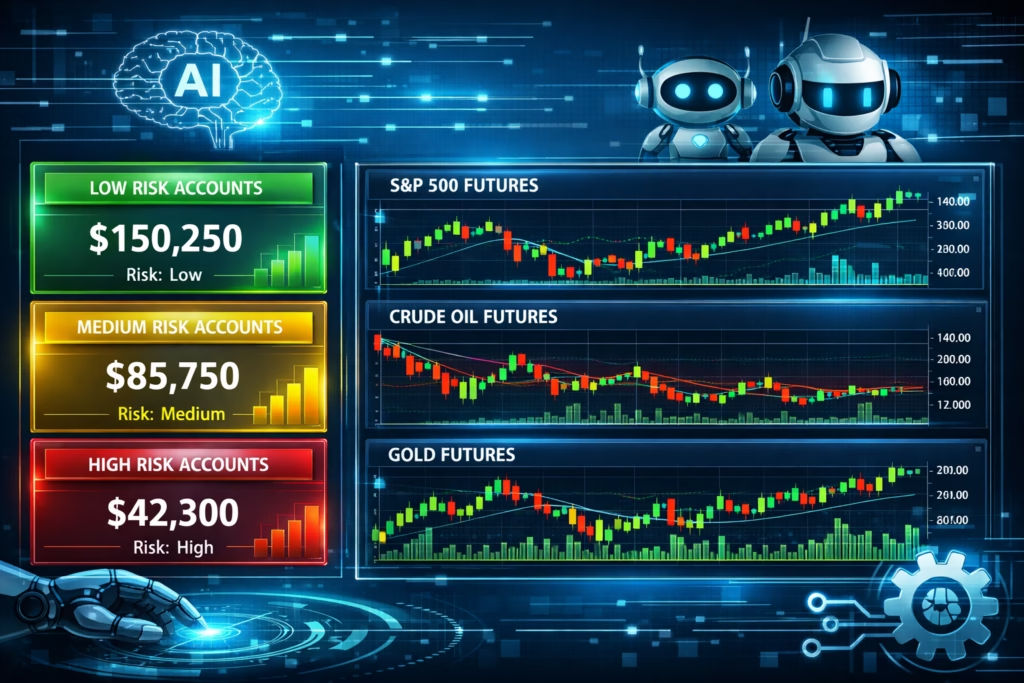
Illustration of account segmentation dashboard for risk management in futures trading with automated tools.
Automated Trading

Account Segmentation: Ultimate Risk Management Guide

Account segmentation is a powerful strategy in risk management, especially in financial services, trading, and brokerage environments. It involves dividing accounts (customer, client, or trading accounts) into distinct groups based on risk profiles, behaviors, transaction patterns, and other factors. This enables tailored risk mitigation, resource allocation, and compliance. In banking and AML contexts, account segmentation

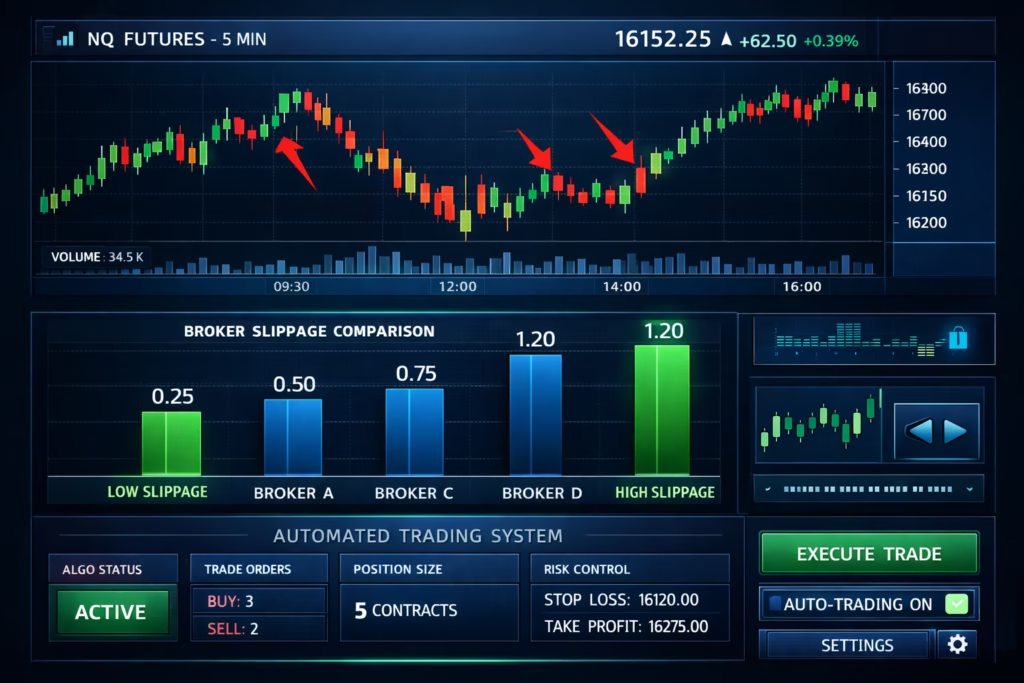
Real slippage data visualization from 1000 live futures trades across top US brokers in 2026
Automated Trading, Trading

Real Slippage Data: 1000 Trades Insights 2026

In the fast-paced world of futures trading, real slippage data reveals the hidden costs that can erode profits. Slippage—the difference between your expected trade price and the actual fill—stems from volatility, liquidity gaps, and execution delays. As markets evolve with tighter regulations and advanced tech in 2026, understanding real slippage data is essential for traders

Infographic showing hidden costs of trading automation including slippage, fees, and infrastructure in 2026.
Automated Trading

Costs of Trading Automation: Hidden Fees Exposed

The Costs of Trading Automation can erode profits if overlooked. While automation promises efficiency and emotion-free trading, hidden expenses often surprise traders. In 2026, with AI-driven platforms advancing rapidly and tools like PickMyTrade enabling seamless futures automation on US markets, understanding these costs is essential for sustainable success. Introduction to the Costs of Trading Automation

Dynamic position sizing algorithm visualization with adaptive risk management on trading charts.
Algo trading, Trading

Dynamic Position Sizing Mastery in Trading

In the fast-evolving world of trading, especially futures on US markets, one factor often separates consistent winners from those who struggle: dynamic position sizing. Unlike static methods that risk the same amount per trade, dynamic position sizing adapts in real-time to market volatility, account performance, trade confidence, and other variables. This approach maximizes returns while

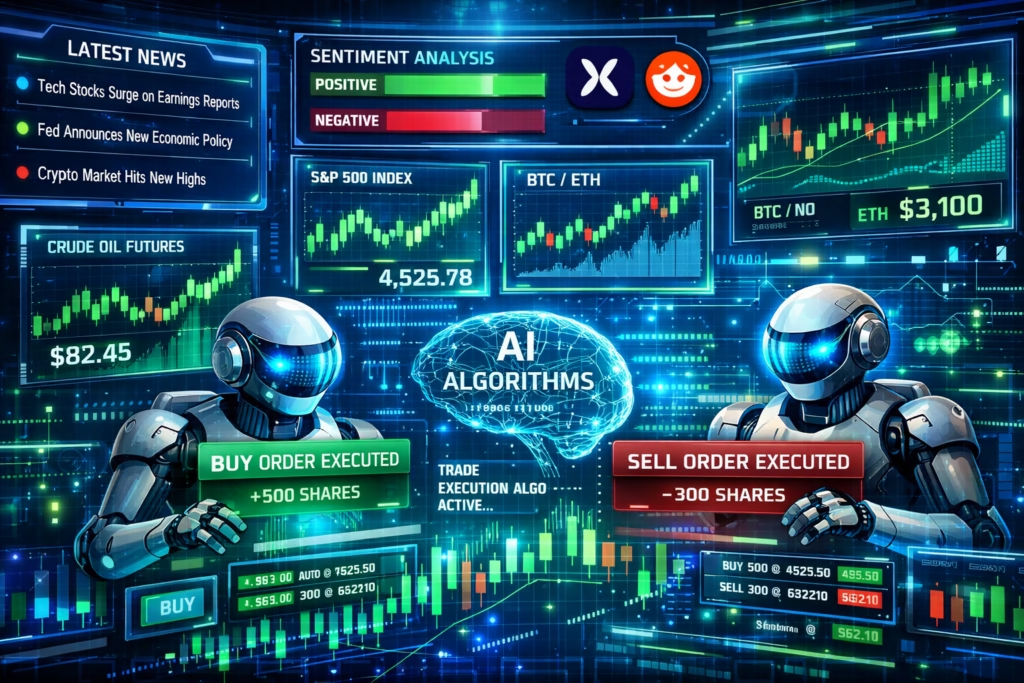
News sentiment futures trading dashboard with AI analysis, social media signals, and automated execution on US markets in 2026
Automated Trading, Trading

News Sentiment Futures: Unlocking Alpha in 2026

In the fast-evolving world of futures trading, traditional price charts and technical indicators are no longer enough. Traders are turning to news sentiment futures analysis as a powerful edge. By quantifying the tone of news articles—positive, negative, or neutral—investors can anticipate market moves before they fully appear in price action. As of early 2026, news

Rithmic vs ProjectX API documentation comparison chart with code examples and futures trading visuals.
Rithmic

Rithmic vs ProjectX: API Documentation Comparison

Update (October 2026): Since 28 February 2026, ProjectX is available only through Topstep as TopstepX. Other prop firms that previously used ProjectX have moved to different platforms, most commonly Tradovate or Rithmic. The guide below may be outdated for non-Topstep firms. In the fast-evolving world of futures trading, especially for prop firm traders and algorithmic

Event-Based Trading chart with price surge on market catalyst versus time-based indicators
Algo trading, Automated Trading

Event-Based Trading: Triggers vs Time-Based Strategies

In the fast-evolving world of financial markets, traders constantly seek edges to outperform. Two core approaches dominate trigger mechanisms: time-based trading and Event-Based Trading. While time-based methods rely on fixed intervals or clock-driven signals, Event-Based Trading capitalizes on specific catalysts like earnings reports, mergers, economic data releases, or geopolitical developments to drive price action. As

NinjaTrader vs TradingView comparison chart 2026: futures automation and platform features.
Trading, TradingView

NinjaTrader vs TradingView: Key Differences in 2026

In the fast-evolving world of trading platforms, the NinjaTrader vs TradingView debate remains central for traders seeking the best tools for analysis, execution, and automation. TradingView shines as a versatile, cloud-based charting powerhouse with a massive community, while NinjaTrader stands out as a desktop-focused powerhouse for futures trading, advanced order management, and strategy automation. As

Scroll to Top