
Passing the evaluation was supposed to be the hard part. Then the payout request comes back denied, and the reason on the ticket is a rule you never saw highlighted anywhere. A prop firm payout denied after you passed the evaluation is rarely about trading skill. Only 7% of traders who buy a challenge ever collect a single payout, and 93% never do. Most of that gap comes down to technicalities: consistency caps, trailing drawdown floors, KYC snags, and flat-account rules buried in the fine print.
Table of Contents
- How Often Does Passing a Challenge Actually Lead to a Payout?
- Why Is the Consistency Rule the Single Biggest Payout Killer?
- How Does the Trailing Drawdown Floor Quietly Lock Your Profit Target?
- What News-Trading and Restricted-Window Violations Block Withdrawals?
- Which KYC and Verification Technicalities Freeze Real Money?
- The Flat-Account Rule Trips Up Traders at Payout Time
- How Does Automation Close the Technicality Gap?
- Frequently Asked Questions
- The Bottom Line
Here’s what actually blocks funded withdrawals, and how to stop it from happening to you.
Key Takeaways
- Only 7% of traders who buy a challenge ever reach a payout, and just 1-3% stay funded past six months.
- Consistency rule violations account for roughly 60% of disputed payout denials.
- Trailing drawdown floors, KYC document mismatches, and flat-account rules cause most of the rest.
- Automated, rules-based execution removes the human error that triggers most of these technicalities.
How Often Does Passing a Challenge Actually Lead to a Payout?
Roughly 14% of funded-account applicants pass their evaluation, but only 7% of all traders who bought a challenge ever reach a first payout. Passing is a gate, not a finish line. A second, quieter set of rules decides who actually gets paid.
That gap between “funded” and “paid” is where most traders get blindsided. The rules that govern payout eligibility, consistency caps, trailing floors, verification windows, are often listed separately from the challenge rules you studied to pass. You can trade a clean, profitable month and still get a denial notice over a clause you never read.
I’ve watched traders in our own user base pass an evaluation cleanly, then panic when a payout request sits “under review” for a week. Nine times out of ten, it isn’t fraud review. It’s a mismatch between how they traded and a payout condition they never cross-referenced against their actual fills.
Traders who automate entries through PickMyTrade at least remove one variable: manual execution errors that accidentally cross a rule threshold. That still leaves the rule itself, which is the real subject of this article.
Why Is the Consistency Rule the Single Biggest Payout Killer?
Consistency rule violations account for roughly 60% of disputed payout denials. The rule caps how much of your total profit can come from one single day, typically 30% to 50%. It can void a payout even when every daily loss limit was respected.
Here’s the part that catches people off guard: the same trading record can fail a 30% cap and pass comfortably under a 50% cap. The rule decides the outcome, not the trading. A single strong day on a news breakout, the kind every trader hopes for, can be the exact thing that freezes the withdrawal.

Why doesn’t every firm just publish the percentage clearly? It often sits inside the payout eligibility section, not the main trading rules, so traders study one document and get evaluated against another. Check both before you request a withdrawal, not after.
Tradeify’s own payout terms are a good example of how specific these rules get. Daily profits must be evenly distributed before a withdrawal request goes through, and the consistency counter resets after every payout. PickMyTrade’s Tradeify review breaks down exactly how that plays out across account types.
How Does the Trailing Drawdown Floor Quietly Lock Your Profit Target?
A trailing drawdown is a maximum-loss limit that rises with your account balance, and it can void a payout even when the account still shows a net profit. On many funded programs, the floor stops climbing once it reaches your starting balance, then locks there permanently no matter how much higher your equity goes afterward.
That locking behavior is the part traders miss. It sounds protective, and it is, but it also means a breach months later, long after the account looked “safe,” can still void every pending reward. The standard clause in most funded agreements reads close to: any breach of the maximum drawdown rule voids all pending and unrealized payouts.
Most trailing drawdown explainers stop at “it moves with your balance.” What they leave out is simpler: some firms calculate it on intraday peak balance, others use end-of-day balance instead. That single design choice decides whether a fast intraday spike can breach the floor before you ever close the trade. Know which method your firm uses before you scale up size.
For a deeper look at how these accounts are structured, see PickMyTrade’s Apex Trader Funding automation guide.
What News-Trading and Restricted-Window Violations Block Withdrawals?
Holding a position through a restricted news window, like CPI or an NFP release, is one of the fastest ways to void a payout even on a profitable trade. Most funded programs list specific blackout windows around high-impact releases, and the violation applies whether the trade wins or loses.
Manual traders often miss this because a scheduled release can land mid-session while they’re managing something else entirely. A position opened five minutes before the print, or left open through it, can trigger the violation automatically, regardless of intent.
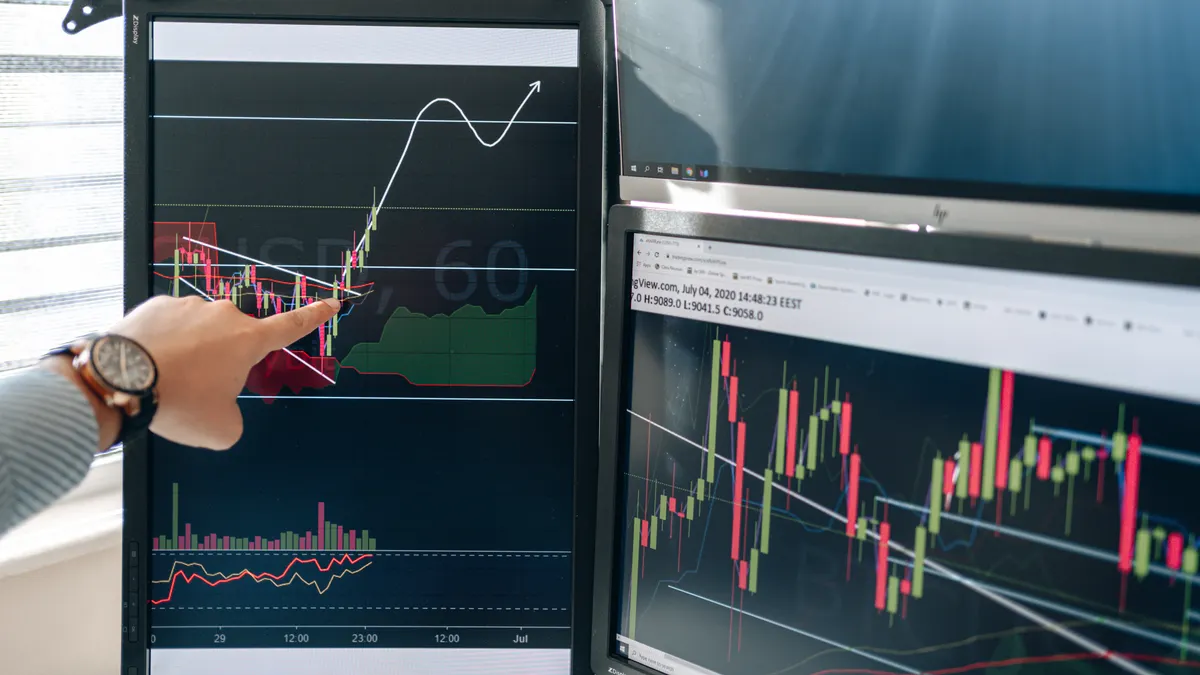
Do these rules apply to every symbol you trade, or only the instrument tied to the release? It depends on the firm, and that ambiguity is exactly why so many disputes end up unresolved. Rule-based automation that flattens positions ahead of a scheduled release removes the guesswork, since the system doesn’t get distracted the way a person can.
Execution errors around volatile windows show up elsewhere too. PickMyTrade’s breakdown of Rithmic rejection messages found that roughly 37% of automated order rejections trace back to an account rule, like an AutoLiq drawdown breach, rather than a broken strategy.
Which KYC and Verification Technicalities Freeze Real Money?
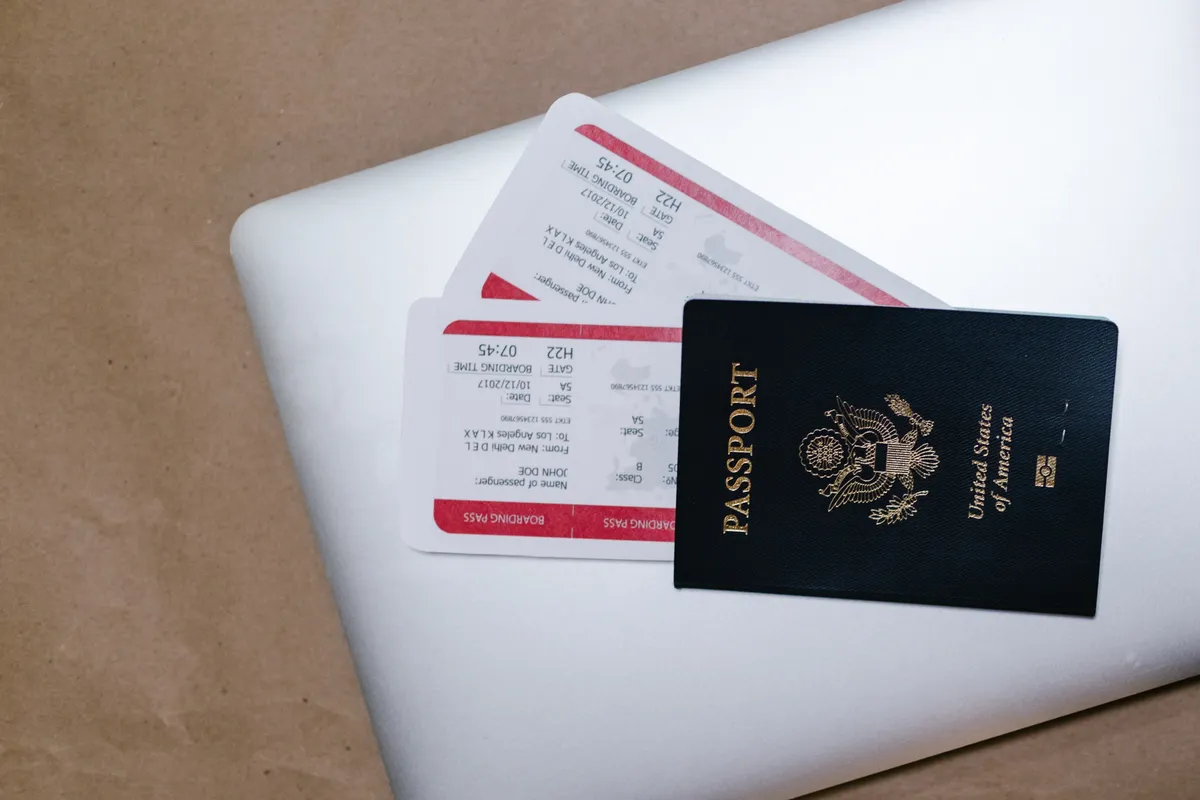
Before any real payout can be processed, payment processors and banking partners require the firm to verify your identity under anti-money-laundering rules. If those documents aren’t in order when your request is reviewed, the outcome is a delay or a frozen withdrawal, not necessarily a denial.
The most common document problems are mundane:
- A blurry or cropped photo
- An expired ID
- A name mismatch between the ID and the payout method
- Proof of address older than three months
- Submitting from behind a VPN
Verification can take up to 48 hours, so submit your documents the moment you pass, rather than waiting until payout day. That alone avoids most of this friction.
It’s worth separating two outcomes that traders often lump together:
| Denial | Delay | |
|---|---|---|
| Cause | A trading rule was broken | A process step is incomplete (KYC, timing) |
| Outcome | Profit is not paid | Payout is held, not lost |
| Typical fix | None, the violation stands | Resubmit documents or wait for the payout window |
| Resolution time | N/A | Often within 48 hours |
Full documentation requirements vary by firm and change often. Check the current list directly rather than relying on last year’s checklist. PickMyTrade’s general FAQ is a reasonable starting point if you’re setting up automated execution alongside a funded account.
The Flat-Account Rule Trips Up Traders at Payout Time
Many funded programs require the account to be completely flat, no open positions, when you submit a payout request. Submitting the request with even one contract still open can cause it to bounce back or get rejected outright, adding days to a process that should have taken minutes.
Weekend and overnight holding restrictions compound the problem for traders running longer swing positions. Some firms bar holding into the weekend entirely. Others allow it with reduced size. Either way, the rule is rarely where a trader expects to find it: tucked into payout eligibility terms rather than the core risk rules.

Across the funded-account traders we’ve supported on PickMyTrade, the single most common last-minute payout delay isn’t a trading violation at all. It’s someone forgetting an open position was still live when they hit “request payout” late on a Friday.
Rules like these vary widely by firm. PickMyTrade’s prop firm FAQ hub compares drawdown mechanics, consistency rules, and payout cadence across more than two dozen funded-account providers.
How Does Automation Close the Technicality Gap?
Every technicality in this article shares a common thread: timing and precision, not trading skill. A consistency breach, a trailing floor miss, a news-window violation, a non-flat account at request time: each one comes down to execution. A few seconds or a few percentage points off from where the rule allows is all it takes.
That’s the exact gap that rules-based automation is built to close. PickMyTrade routes TradingView alerts straight to your broker or prop firm account in sub-200ms. Entries, exits, and end-of-day flattening happen on the same schedule every single time, whether you’re watching the screen or not. PickMyTrade’s prop firm automation tools connect strategies to accounts at firms including Apex, Topstep, and Tradeify without hand-managing each fill, and the platform now supports over 2,500 active traders.
For a full walkthrough of connecting a TradingView strategy to a funded futures account, see PickMyTrade’s broker integration guide. Plans start at $50 a month or $500 a year, unlimited strategies and accounts included, with a 5-day free trial to test it against your own rule set before committing.
Frequently Asked Questions
Yes. A trailing drawdown floor can lock permanently once it reaches your starting balance, and a breach of that floor voids pending payouts even when the account shows a net profit overall. It’s a major reason roughly 93% of funded traders never collect a payout at all.
A denial means the firm determined a rule was broken and won’t release the profit. A delay means the request is held for a process step, most often KYC document review or a scheduled payout window, and typically resolves within 48 hours once resolved.
Check whether your firm caps a single day at 30% or 50% of total profit, then spread gains across more sessions rather than banking most of the target in one trade. Consistency violations account for roughly 60% of disputed payout denials.
Most funded programs void the trade regardless of whether it wins or loses if it’s held through a listed blackout window like CPI or NFP. The safest approach is flattening ahead of scheduled high-impact releases rather than managing the position live.
Passing a trading evaluation and clearing anti-money-laundering verification are separate processes. A blurry photo, expired ID, or a VPN connection can hold a payout for up to 48 hours even on a fully compliant trading record.
The Bottom Line
Passing a funded evaluation proves you can trade. Getting paid proves you understand the rulebook that governs withdrawals, and that rulebook rewards precision over talent. Consistency caps, trailing floors, news windows, KYC documents, and flat-account timing account for nearly every disputed denial traders report.
None of these technicalities are secret. They’re published, just scattered across separate sections most traders never cross-reference until a payout bounces. Read the payout eligibility terms the same day you pass, not the day you request a withdrawal, and consider automating the execution details that are easiest to get wrong under pressure.
Disclaimer:
This content is for informational purposes only and does not constitute financial, investment, or trading advice. Trading and investing in financial markets involve risk, and it is possible to lose some or all of your capital. Always perform your own research and consult with a licensed financial advisor before making any trading decisions. The mention of any proprietary trading firms, brokers, does not constitute an endorsement or partnership. Ensure you understand all terms, conditions, and compliance requirements of the firms and platforms you use.
Also Checkout: What EA Are Banned on FTMO?
Connect your alerts with PickMyTrade — automated trade execution, no coding required. Start free →