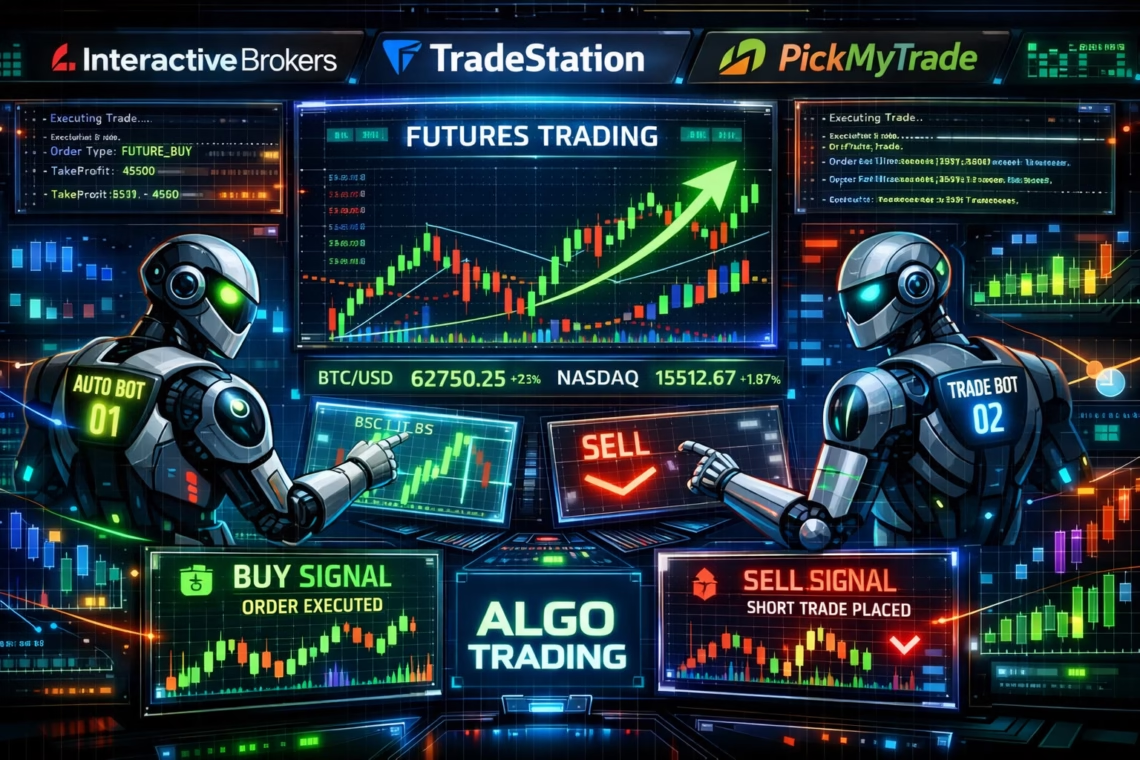
The best paper trading platforms for algo traders in 2026 offer realistic simulations, API access or strategy automation support, backtesting capabilities, real-time data, and seamless transitions to live trading. These tools help algorithmic traders test strategies without financial risk, refine code or logic, and simulate execution in stocks, options, futures, and more.
As of February 2026, top recommendations from sources like NerdWallet, StockBrokers.com, BrokerChooser, and specialized reviews highlight platforms excelling in professional-grade features for algo development.
Why Paper Trading Matters for Algo Traders
Paper trading (or virtual trading) replicates live market conditions using simulated funds and real-time data. For algo traders, the ideal platform includes:
- Backtesting historical data
- API integration or automation tools
- Realistic order execution (including slippage simulation where possible)
- Support for futures, options, or high-frequency strategies
- Easy switch to live accounts
This risk-free environment is crucial for validating algorithms before deploying real capital.
Top Best Paper Trading Platforms for Algo Traders in 2026
1. Interactive Brokers (IBKR) – Best Overall for Professional Algo Traders
Interactive Brokers stands out as the top choice in 2026 for its robust paper trading with $1 million in virtual funds, extensive asset coverage (stocks, options, futures, forex, crypto), and advanced API for algorithmic strategies. The platform supports realistic simulations, detailed analytics, and low-latency execution—ideal for transitioning tested algos to live trading.
Pros: Global markets, powerful tools, seamless live integration. Cons: Steeper learning curve. Best for: Serious algo developers needing pro-grade simulation.
2. TradeStation – Best for Automated and Backtesting-Focused Algo Trading
TradeStation offers excellent free algorithmic tools, including strategy building, backtesting, and a dedicated simulator for stocks, options, futures, and ETFs. Its API supports real-time data and order execution, making it perfect for testing automated systems.
Pros: Unlimited virtual funds, strong backtesting, easy automation transition. Cons: No fractional shares in some cases. Best for: Traders building and automating strategies.
Click Here To Automate Trading
3. thinkorswim by Charles Schwab (paperMoney) – Best for Advanced Options and Futures Simulation
thinkorswim’s paperMoney provides a highly realistic environment with real-time data, advanced charting, and support for complex strategies in options, futures, and stocks. It’s favored for workflow practice and includes tools that align well with algo logic testing.
Pros: Deep tools, educational resources, realistic fills. Cons: Some liquidity differences in simulation. Best for: Options-heavy algo traders.
4. TradingView Paper Trading – Best for Chart-Based and Community-Driven Algo Testing
TradingView excels with intuitive chart-integrated paper trading, 100+ indicators, and backtesting. It supports futures and stocks, and pairs excellently with automation bridges for strategy alerts.
Pros: User-friendly, social features, direct chart trading. Cons: Less broker-direct execution in base mode. Best for: Visual strategy development and quick reps.
5. Alpaca Trading – Best for API-First Algorithmic Paper Trading
Alpaca leads for developer-focused algo trading with a straightforward paper trading environment, real-time simulation, and excellent API for building custom algos in stocks and more.
Pros: Developer-friendly, low barriers, robust infrastructure. Cons: Primarily equities-focused. Best for: Code-based algo traders.
6. PickMyTrade – Best for Futures Automation and US Markets Paper Trading
PickMyTrade specializes in automating futures trading on US markets, connecting TradingView strategies to brokers like Tradovate, Rithmic, Interactive Brokers, and TradeStation. It includes paper trading for risk-free testing of automated systems, with features like alert-based execution, risk settings, and full contract lifecycle simulation for futures (e.g., ES, NQ).
Pros: No-code automation, futures-focused, seamless TradingView integration, realistic paper mode for algo strategies. Cons: Broker-specific setup. Best for: Algo traders automating futures in US markets—start with its paper trading to refine bots before live deployment.
How to Choose the Best Paper Trading Platform for Your Algo Needs
- Prioritize API/backtesting for custom algos → Interactive Brokers or TradeStation.
- Focus on futures automation → PickMyTrade or TradeStation.
- Need ease and visuals → TradingView or thinkorswim. Always start with paper trading, analyze performance metrics, and iterate before going live.
These platforms evolve rapidly—check official sites for the latest 2026 updates.
Most Asked FAQs
TradingView or Webull for simplicity, but Interactive Brokers or TradeStation for serious algo practice.
Yes, especially on platforms like Interactive Brokers or TradeStation, which simulate real-time data and execution—though live markets may have slippage or liquidity differences.
Yes—platforms like TradeStation, Alpaca, and PickMyTrade support automation testing in simulation mode.
Many reviews rank it #1 for its depth, virtual funds, and algo tools.
It automates TradingView signals to US futures brokers with paper trading support, ideal for testing automated futures strategies risk-free.
Disclaimer:
This content is for informational purposes only and does not constitute financial, investment, or trading advice. Trading and investing in financial markets involve risk, and it is possible to lose some or all of your capital. Always perform your own research and consult with a licensed financial advisor before making any trading decisions. The mention of any proprietary trading firms, brokers, does not constitute an endorsement or partnership. Ensure you understand all terms, conditions, and compliance requirements of the firms and platforms you use.
Also Checkout: PickMyTrade vs Manual Trading: Which Wins in 2026?